Reverse Logistics: Managing Reverse Flows in the Supply Chain
 Oaktree.id3 min read
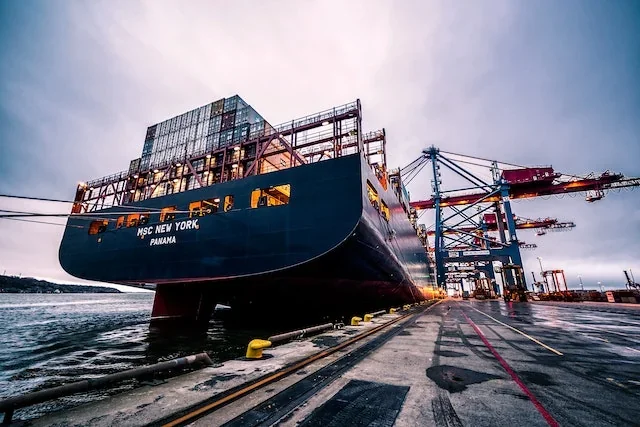
In today’s era of mass consumption, supply chain management is essential for businesses. An effective supply chain helps companies optimize the production, shipping, and distribution of their products to customers. However, companies often focus only on the flow of products from suppliers to customers without considering reverse flows, or reverse logistics.
Definition of Reverse Logistics
Reverse logistics is the process of managing the flow of products back from customers to suppliers or manufacturers. It involves activities such as returning damaged or unsold products, reusing components or materials, and recycling products.
The goal of reverse logistics is to optimize resource use, reduce waste, and lessen environmental impact.
One reason reverse logistics is becoming increasingly important is growing awareness of environmental and sustainability issues.
To reduce their carbon footprint and the waste they generate, companies need to find ways to reuse products that have already been used or return unsold products to their supply chains.
Read Also: Customs and Excise: Understanding Customs and Excise Taxes
Benefits of Reverse Logistics
The benefits of implementing reverse logistics include:
1. Optimizing Resource Use
By managing the flow of returned products, companies can reuse items that are still functional or recover valuable components from damaged products. This helps reduce the need for new raw materials and optimize resource use.
2. Reducing Costs and Losses
In traditional supply chains, damaged or unsold products are often considered losses. However, by implementing reverse logistics, companies can reduce costs and losses by returning these products to the system and finding alternative solutions such as repair, refurbishment, or recycling.
3. Increasing Customer Satisfaction
Reverse logistics can also help improve customer satisfaction. When customers return damaged or defective products, they feel valued when a company provides efficient replacement or repair services. This can increase customer loyalty and improve the company’s brand image.
4. Supporting Environmental Sustainability
As environmental issues become increasingly urgent, reverse logistics is an effective way for companies to contribute to sustainability. By reducing waste and optimizing resource use, companies can lessen their negative impact on the environment and meet the expectations of consumers who are increasingly concerned about responsible business practices.
Read Also: Transshipment: Definition, Benefits, and Examples
Reverse Logistics Factors
When implementing reverse logistics, companies need to consider several important factors, including:
1. Management Systems and Technology
Companies need adequate management systems and technology to efficiently track and manage the flow of returned products. This includes inventory, monitoring, and tracking systems for returned products.
2. Partner Network
Companies also need to build partnerships with third parties, such as logistics providers or scrap dealers, to help manage the flow of returned products. These partners can assist with collecting, processing, and managing returned goods.
3. Policies and Procedures
Companies need clear policies and procedures for managing the flow of returned products. These should cover product returns, quality assessments of returned goods, and decisions on whether products should be repaired, reused, or recycled.
Conclusion
Reverse logistics is an important part of sustainable and responsible supply chain management.
By optimizing the flow of returned products, companies can reduce costs, improve customer satisfaction, and contribute to environmental sustainability. Given today’s economic and environmental challenges, implementing reverse logistics is a smart and efficient strategy for modern companies.