Direct and Indirect Distribution: Differences and Examples
Learn about direct and indirect distribution, how goods move, the role of intermediaries, examples, and how to distribute products and manage deliveries effectively.


Short Answer
Direct distribution delivers goods from a producer or seller to consumers without sales intermediaries, while indirect distribution involves agents, distributors, wholesalers, or retailers. The differences can be seen in how goods move, the producer’s control, customer relationships, and operational responsibilities; simply using a courier does not automatically make distribution indirect.
Blog.oaktree.id – Direct and indirect distribution differ in whether sales intermediaries are involved. Direct distribution delivers goods from a producer or seller to consumers without a party that buys and resells the products, while indirect distribution uses one or more intermediaries. Using a courier alone does not automatically turn direct distribution into indirect distribution.
What is direct distribution?
Direct distribution is the delivery of goods from a producer or seller to consumers without sales intermediaries. In this model, the seller deals with the end buyer, whether the transaction takes place in the seller’s own store, through a website, or via another sales channel managed by the seller.
Definition of direct distribution
The term “direct” describes the commercial relationship between the seller and the consumer, not whether goods must move without help from others. A seller can hire a logistics provider to transport an order, as long as the provider only handles delivery and does not act as a party that buys and resells the goods.
This distinction matters because the sales process and the physical movement of goods do not always follow the same path. A seller may receive orders directly, while goods are stored at a third-party facility and delivered by a courier; there is still no sales intermediary if those parties do not sell the products to consumers.
The flow of goods from the producer directly to the consumer
The basic process begins when a producer receives an order, prepares the goods, then delivers them to the consumer or hands them over to a designated shipping provider. The goods still flow from seller to buyer, even if their physical journey involves transit points or vehicles owned by another party.
For example, a food producer receives an order through its website, packages the product, then asks a courier to deliver it to the buyer’s address. The courier transports the goods but is not a sales intermediary because the product transaction is still between the producer and the consumer.
Who is responsible for sales and delivery?
In direct distribution, the seller generally manages transactions and communication with consumers. The seller also needs to ensure that orders are processed, stock is available, payments are recorded, packaging is appropriate, and shipping information is provided.
Transportation responsibilities can be shared with a logistics provider based on the service agreement. This division of tasks does not change the seller’s role as the party selling goods to consumers, but responsibilities should still be documented so it is clear who handles delays, proof of delivery, or customer questions.
What is indirect distribution?
Indirect distribution is the delivery of goods from a producer to consumers through one or more sales intermediaries. Intermediaries help bring products to market, and their responsibilities depend on their role and agreement with the producer.
The role of intermediaries in distributing goods
Intermediaries can help connect products with buyers, handle sales in a specific region, or supply products to other businesses. Their presence means the producer does not always have a direct relationship with end consumers, so control over transactions, service, and customer information may be shared.
Intermediaries do not all play the same role. Agents usually represent the seller to promote products or arrange transactions, while distributors or retailers may buy products and resell them under their own business name, depending on the commercial arrangement.
Examples of intermediaries: agents, distributors, wholesalers, and retailers
- Agent: help represent the seller or connect the seller with buyers; under some arrangements, agents do not take ownership of the goods.
- Distributor: deliver products from producers to markets or other businesses, and may buy goods to resell.
- Wholesaler: sell goods to retailers or business buyers, rather than only to end consumers.
- Retailer: offer products to consumers through stores or sales channels they manage.
The specific role is determined by the contract and transaction practices, so a party’s title alone is not enough to determine who owns the goods or is responsible for specific obligations. Check the order process, invoices, ownership of the goods, and which party receives payment.
The flow of goods until they reach the consumer
The typical flow of indirect distribution goes from the producer to an intermediary, then from the intermediary to the consumer. If there are several layers, goods may pass through a distributor, wholesaler, and then retailer before being purchased by the end consumer.
Goods do not always change hands physically every time a transaction takes place. However, from a sales perspective, each intermediary may have its own role and commercial relationship, which should be distinguished from warehousing or transportation services.
What is the difference between direct and indirect distribution?
Direct and indirect distribution differ in their use of sales intermediaries, the producer’s control, consumer reach, and how operational tasks are shared. Neither model is always better or cheaper; the right choice depends on the product, business capacity, customers, and market conditions.
The number of intermediaries and the length of the distribution channel
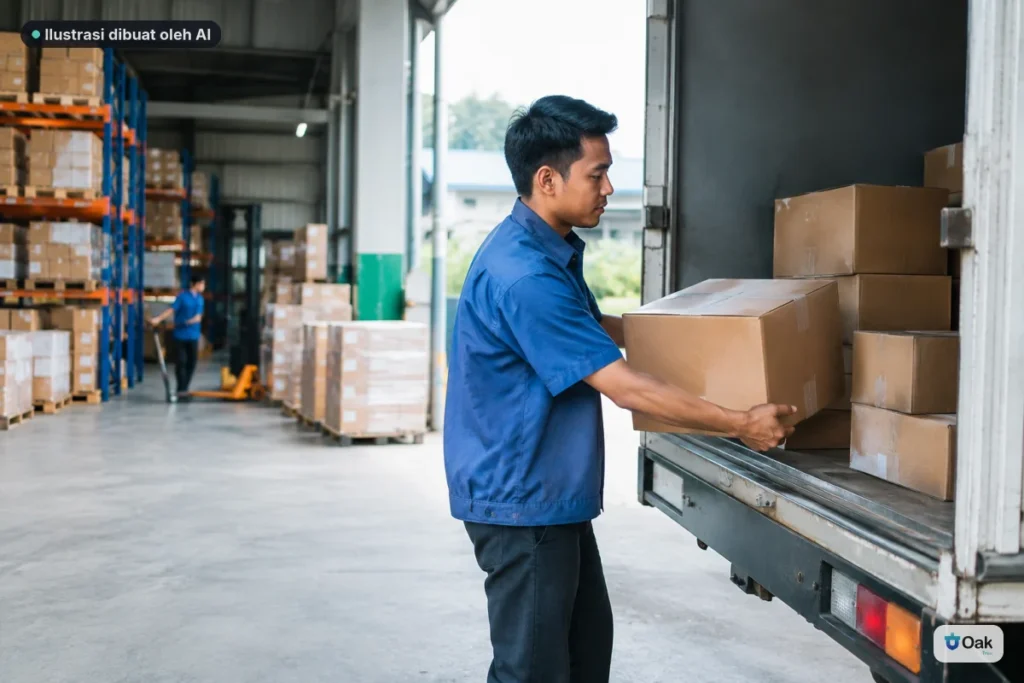
Direct distribution has a more direct sales process because the producer or seller serves consumers without sales intermediaries. Indirect distribution adds parties between them, which can make the flow of goods or transactions longer.
A longer channel does not always mean a longer physical delivery time. Intermediaries may hold inventory closer to customers, while direct sellers may ship from production locations; service times depend on each party’s operational setup.
A comparison of control over pricing, service, and customer relationships
| Aspect | Direct distribution | Indirect distribution |
|---|---|---|
| Sales intermediary | No intermediary buys or resells the goods. | There is an agent, distributor, wholesaler, retailer, or a combination of several parties. |
| Manufacturer control | The producer has more direct control over transactions and communication with buyers. | Control over selling prices, service, and communication can be shared with intermediaries as agreed. |
| Market reach | The seller reaches customers through its own channels and operational capabilities. | Intermediaries can help bring products to the channels or regions they serve. |
| Customer relationships | The seller interacts directly with customers and receives feedback from transactions. | A retailer or other intermediary may be the party that interacts directly with buyers. |
| Responsibility | The seller manages more sales and order fulfillment tasks, although shipping can be outsourced. | Sales and distribution tasks are shared with intermediaries based on their roles. |
A comparison of operational responsibilities and resource requirements
Direct sales require the seller to set up processes for accepting orders, maintaining stock availability, serving customers, and arranging shipping. These tasks can be handled in-house or with help from service providers, but coordination and monitoring are still necessary.
With indirect distribution, producers need to manage relationships with intermediaries, supply agreements, and the sales information they receive. This model can reduce some of the work involved in serving end consumers, but coordination is needed to keep product availability and each party’s responsibilities clear.
What are some examples of direct and indirect distribution?
Examples of direct and indirect distribution are easiest to see by comparing who sells the goods to consumers. The same product can be sold directly by the manufacturer through its own channels or supplied through distributors and retail stores.
Examples of direct distribution by manufacturers and small businesses
Imagine a home appliance manufacturer selling products through a website it operates. Consumers place and pay for their orders with the manufacturer, which then prepares the goods for customer pickup or delivery by courier.
Another example is a craftsperson who takes orders through their own sales account and ships products to buyers. If the channel operator only provides technical services and does not buy and resell the goods, that alone does not make the sales process indirect distribution.
Examples of indirect distribution through distributors or stores
A manufacturer can supply products to a distributor, which then sells them to retail stores. The stores display the goods and transact directly with consumers, so end customers usually deal with the store, not the manufacturer.
This is an example of indirect distribution: the manufacturer prepares goods for the distributor, the distributor arranges sales or supplies to retailers, and the retailers serve consumers. How shipping, storage, and ownership of the goods are divided can vary according to the parties’ agreement.
A comparison using the same product
For a packaged coffee product, the manufacturer can take consumer orders through its own online store and ship them using a logistics provider. This is direct distribution because the manufacturer transacts with consumers without a sales intermediary.
If the manufacturer sells the product to a distributor, which then supplies a convenience store that sells it to customers, the process becomes indirect distribution. The product and end consumers may be the same, but the party selling to consumers is different.
How do you distribute goods directly?
To distribute goods directly, sellers need to manage orders from receipt through delivery to consumers. Using a courier or logistics company is still an option and does not automatically add a sales intermediary.
Explain how to distribute goods directly from seller to buyer
- Receive and verify the order. Record the product, quantity, address, payment method, and any special requests, then confirm any details that are unclear.
- Check inventory and prepare the goods. Match the order to available inventory, package it appropriately, and prepare any required transaction and shipping documents.
- Record the payment and choose a shipping method. Make sure the payment status is recorded, then decide whether to handle delivery yourself or use a logistics provider.
- Send a confirmation and tracking information. Let the buyer know the goods have shipped and share a tracking number or tracking information, if available.
- Keep proof of delivery and update the order status. Record proof of handoff, delivery status, and any follow-up if issues arise so the transaction history is easy to trace.
Manage orders, inventory, payments, packaging, and shipping
These steps are interconnected. An incorrect address can delay delivery, while inventory records that aren’t updated can lead sellers to confirm orders for goods they can’t actually fulfill.
So, assign responsibility for checking orders, preparing goods, recording payments, and communicating with customers. For businesses handling a high volume of transactions, centralized recordkeeping helps teams see order statuses and outstanding tasks without relying on scattered conversations.
Ensure buyers are informed about order status
Buyers need to know whether their order has been confirmed, processed, shipped, or delivered. Clear updates help reduce repeat questions and give sellers a communication trail to refer to if they need to look into a delivery issue.
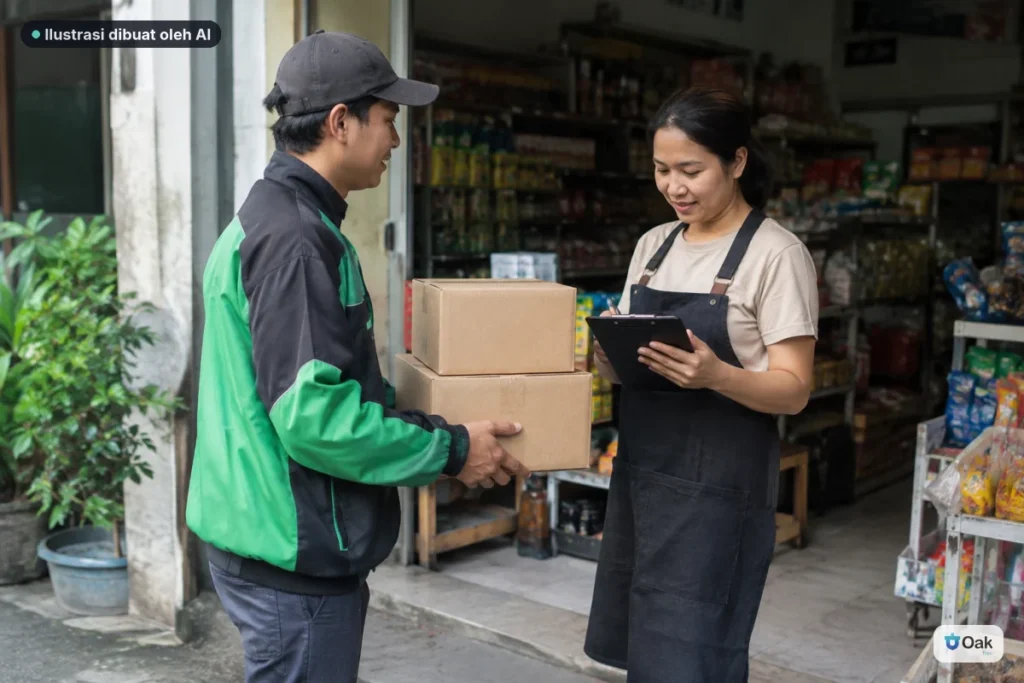
Sellers can provide updates through the communication channel used for the transaction. Make sure status information matches operational records and proof of shipment, rather than being based on an estimate.
Is direct distribution the same as direct selling?
Direct selling focuses on how a transaction takes place between a seller and a consumer, while direct distribution focuses on how goods reach consumers without a sales intermediary. They often happen together, but each describes a different aspect of the same process.
The difference between moving goods and making sales transactions
Direct selling answers the question of who transacts with the consumer. Direct distribution answers how goods are delivered from the seller to the consumer without another party buying and reselling them.
Because they focus on different things, a sale can be direct while storage or delivery is handled by a third party. Conversely, a transaction between companies alone doesn’t determine the overall process; you need to consider whether the other party is acting as an agent, buying goods for resale, or providing a service.
Examples of direct sales that don't involve sales intermediaries
Manufacturers that accept orders through their own websites and collect payment from buyers make direct sales. They can ship goods from their own warehouse or ask a logistics company to pick them up and deliver them.
In either case, sellers still need to match orders, inventory, payments, and proof of delivery. Keeping orderly records also helps when a company manages several types of services or operational branches.
When does the shipping process still use a third party?
The shipping process still involves a third party when the seller hands over transportation, warehousing, or support services to an external provider, but that provider does not resell the product. In freight forwarding, tasks may include managing job files, shipping documents, costs, and shipment status; this differs from the role of a goods distributor.
If you’re learning what distribution is, distinguish the buyer-seller relationship from the logistics work that supports it. Companies can use logistics software, including freight forwarding software or a freight forwarding management system, to record shipments; customs clearance needs and import-export logistics software are also related to managing documents and cross-border processes, not determining who sells the goods.
As an example of a cloud-based logistics ERP, Oaktree was developed by PT Rimba Ananta Vikasa Indonesia for freight forwarding and logistics businesses. The platform has 30+ integrated modules for operations, finance, CRM, and reporting, as well as CEISA 4.0 integration; its relevance to a company depends on its specific recordkeeping and process needs.
So, determine the distribution model by identifying which party transacts with consumers and sells them the product, not just who ships it. Separating these roles helps you choose the right record-keeping process, clearly assign responsibilities, and provide customers with consistent order information.
For more details, visit the page oaktree.id.
Key Points
- Direct distribution connects manufacturers or sellers with consumers without an intermediary that resells the goods.
- Indirect distribution uses one or more intermediaries, with agents and parties that buy and resell having different roles.
- A courier or logistics provider can deliver goods without acting as a sales intermediary.
- The choice of distribution channel affects control, reach, operational workload, and customer relationships.
Frequently Asked Questions
What is the main difference between direct and indirect distribution?
The main difference is whether there is a sales intermediary between the seller and the consumer. With direct distribution, the seller deals with consumers, while indirect distribution involves parties such as distributors or retailers.
Does direct selling always count as direct distribution?
Direct sales typically count as direct distribution when the seller sells goods to consumers without a sales intermediary. However, the seller can still use other parties to store or ship the goods.
Does using a courier make distribution indirect?
Not automatically. If a courier only transports goods and does not buy or resell them, it acts as a delivery service provider, not a sales intermediary.
What are some examples of indirect distribution in everyday life?
A manufacturer can sell products to a distributor, who then supplies them to a store that serves consumers. In this flow, the store is the party that transacts directly with the end buyer.
What are the advantages and limitations of direct distribution compared with indirect distribution?
Direct distribution gives sellers closer control over customer interactions, but they also need to manage more sales and order fulfillment work. Indirect distribution can expand access through intermediaries, but control over the customer experience and sales information may be shared.
Manage logistics operations on one platform
Job files, finance, CRM, reporting, and CEISA integration for EMKL, EMKU, PPJK, and distribution. Try Oaktree's free demo.