KIR Is a Series of Motor Vehicle Inspections
 Oaktree.id6 min read
Do you know what KIR or KEUR means? KIR comes from the Dutch phrase “Keuringsinstantie Rijvaardigheid” and refers to a series of motor vehicle inspection activities in Indonesia.
What Is KIR or Keur?
KIR (Keuringsinstantie Rijvaardigheid) refers to a series of inspections conducted to test motor vehicles and ensure they are technically fit for use on public roads. KIR inspections are intended to ensure that vehicles are safe and meet established safety standards.
Purpose of the KIR inspection
The main purpose of a KIR test is to improve the safety and reliability of vehicles operating on public roads. Regular KIR testing can identify damage or system failures that could cause accidents. This helps prevent accidents and protect the safety of road users.
History and Development of KIR
KIR was first introduced as part of the government’s efforts to monitor motor vehicles and ensure their safety on public roads. As vehicle technology has advanced and awareness of the importance of safety has grown, KIR testing procedures and requirements have continued to evolve. Today, KIR is an integral part of vehicle registration and maintenance in various countries.
Types of Vehicles Required to Pass a KIR Test
Passenger Vehicles
- Taxi
Taxis must undergo KIR testing to ensure they are in good condition and fit to transport passengers safely. Taxi KIR tests include inspections of the braking system, steering system, lights, and other safety components. - Rental Car
Rental vehicles are also required to undergo KIR testing. This ensures that vehicles rented to customers are in optimal condition and meet established safety standards. - Passenger Vehicles / Online Ride-Hailing Vehicles
Cars used to transport passengers, such as ride-hailing vehicles, are also required to undergo KIR testing. This helps keep passengers safe and ensures that the vehicles are in adequate technical condition.
Cargo Vehicles
- Cars and Trucks Used to Transport Goods
Vehicles used to transport goods must also undergo KIR testing. This is important to ensure they are in good condition and safe for transporting goods efficiently. - Bus
Buses are commonly used for public transportation. That’s why KIR testing is essential to ensure passenger safety and confirm that the vehicles are in adequate condition. - All Types of Trucks
Both heavy-duty and light-duty trucks used for various transportation needs are required to undergo KIR testing. This helps ensure the safety and reliability of vehicles used for business operations. - Pickup Trucks
Pickup trucks, often used to transport goods, are also required to undergo KIR testing. The inspection covers various components, including the braking system, suspension system, and required safety equipment.
KIR Inspection Registration Requirements
Before registering for a KIR test, the vehicle must be in good condition and meet the established technical requirements. These include the engine, electrical system, lighting system, braking system, suspension system, and other components related to vehicle security and safety.
Document Requirements
To register for a KIR test, vehicle owners must provide the required documents, including:
- BPKB and STNK
The BPKB (Motor Vehicle Ownership Book) and STNK (Motor Vehicle Registration Certificate) are important documents that must be provided as proof of vehicle ownership. - Route Permit for Public Transportation
If the vehicle is used for public transportation, such as a bus or taxi, the owner must also provide a route permit as a requirement for KIR test registration.
Testing Fees and Payment
Registering for a KIR test also requires payment of the applicable testing fee. The fee may vary depending on the type of vehicle and the area where you register.
- Type-Test Certificate/Approval of Vehicle Design and Engineering
Some types of vehicles, especially newly manufactured vehicles or those that have undergone significant modifications, also require a type-test certificate or approval of their vehicle design and engineering. This certificate proves that the vehicle has passed testing and meets the established safety standards. - Registration Process at the Testing Facility
To register for a KIR inspection, visit the nearest testing facility. Vehicle owners will be asked to complete a registration form and follow the required procedures.
Steps to Register a Car or Truck for a KIR Test
Visit the KIR Inspection Registration Counter
- Selecting a Counter Location
Vehicle owners need to find and visit the KIR inspection registration counter nearest to where they live or where the vehicle operates. You can get location information from the local government or the relevant authority. - Operating Hours and Registration Schedule
Vehicle owners should also check the operating hours and KIR inspection registration schedule at the counter. This helps ensure that registration can be completed during the available hours.
Complete the Administrative Requirements
- Required Documents
Vehicle owners must prepare the required documents, such as the BPKB, STNK, route permit (if required), and vehicle type-test certificate/design and engineering approval (if required). - Prepare the Administrative Documents
In addition to these documents, vehicle owners must also prepare other administrative paperwork, such as the registration form and proof of payment for the inspection fee.
Meet Roadworthiness Requirements
- Check the Vehicle’s Overall Condition
Before registering for a KIR inspection, vehicle owners must ensure that the vehicle is in good condition and roadworthy. This includes checking the engine, electrical system, lights, brakes, suspension, and other components. - Ensure All Safety Equipment Is Complete
Vehicle owners must also ensure that all safety equipment is on board, such as a fire extinguisher, warning triangle, and seat belts.
Pay the Fees as Required
- Vehicle Inspection Fee
Vehicle owners must pay the KIR inspection fee in accordance with the applicable regulations. The fee may vary depending on the type of vehicle and the area where registration takes place. - Available Payment Methods
The KIR inspection fee can be paid in several ways, such as in cash, by bank transfer, or electronically. Vehicle owners should make sure to follow the payment instructions provided.
Pre-Inspection
- Vehicle Condition Check
Before officially undergoing a KIR test, vehicles go through a pre-test stage. At this stage, the vehicle’s condition is thoroughly inspected to ensure it meets the established technical requirements. - Inspection of Important Systems and Components
The vehicle’s important systems and components are also inspected, including the braking, steering, lighting, and suspension systems, as well as safety equipment.
Sticker Application After a Successful Vehicle Inspection
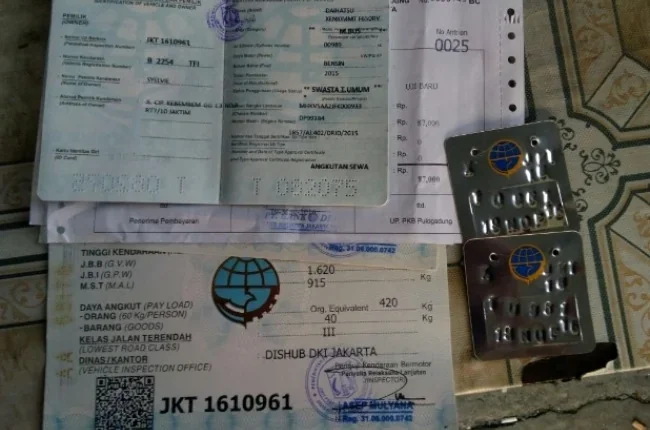
If the vehicle passes the KIR test and meets all requirements, a sticker indicating that it has undergone the test will be affixed to the vehicle. This sticker is proof that the vehicle meets the established safety standards.
In Conclusion, KIR Is
KIR (Keuringsinstantie Rijvaardigheid) is a series of motor vehicle tests designed to ensure the safety and reliability of vehicles operating on public roads. KIR testing involves inspecting the vehicle’s condition and safety equipment, and checking that it meets the established technical requirements.
Regular KIR testing is essential for vehicle owners to maintain their vehicles’ safety and reliability. KIR testing helps prevent accidents caused by vehicle damage and reduces the risk of vehicle system failures on the road. Meeting KIR testing requirements is also a way to comply with legal regulations and can enhance a vehicle owner’s reputation and public trust.
KIR testing benefits vehicle owners by improving vehicle safety and reliability. By ensuring their vehicles are in good condition and meet technical requirements, owners can avoid potential accidents and vehicle system failures on the road.
By having their vehicles tested regularly, owners can ensure they are safe and reliable and comply with applicable legal regulations.
Source: Bangkalan Regency Transportation Agency (bangkalankab.go.id)