

Import Duties: Rules and Impacts
 Oaktree.id3 min read
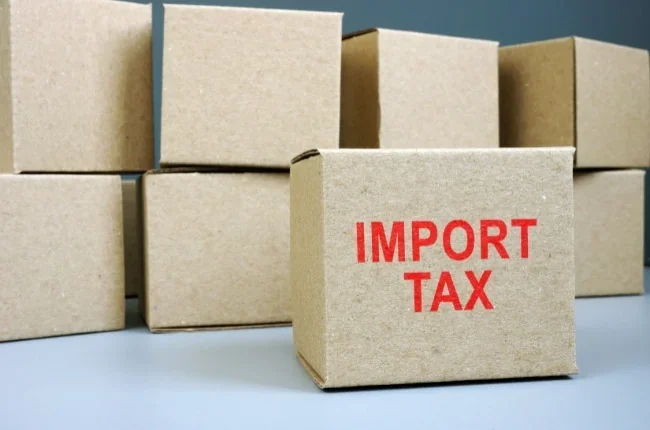
Import tax on goods is a payment imposed by the government on goods imported from abroad. This tax is applied to control the flow of imports, protect domestic industries, and generate revenue for the government. Import tax on imported goods is also known as import duty.
Import duties have a significant impact on international trade. Here are some aspects of import duties you should understand:
Purpose of Import Taxes on Goods
Import duties serve several purposes. First, they protect domestic industries from unfair competition with cheaper imported products. Second, they regulate the flow of imports to maintain a balanced trade account. Third, they generate government revenue through tax receipts.
Types of Import Taxes on Goods
Some common types of import duties include:
- Import Duty: A tax levied on the value of imported goods at a specific rate.
- Value-Added Tax (VAT): A tax levied on the value of imported goods plus the import duty.
- Luxury Goods Sales Tax (LGST): A tax levied on imported luxury goods.
- Income Tax: A tax levied on income earned from import activities.
How Import Taxes on Goods Are Applied
The process of applying taxes to imported goods begins when the goods arrive at a port or airport. Customs officials inspect the goods and determine the amount of tax payable based on the applicable rates. Importers must declare the value and type of imported goods and pay the taxes before the goods are released.
Import Tax Rates on Goods
Import tax rates vary depending on the type of goods, country of origin, and applicable international trade agreements. Rates may be calculated as a percentage of the goods’ value or as a fixed amount per unit. Import tax rates may also change in line with government policy.
Impact of Import Taxes on Goods
Applying taxes to imported goods can have economic and social impacts. On the one hand, import taxes can protect domestic industries and encourage economic growth. On the other hand, high tax rates can affect the prices of imported goods, increase production costs, and reduce the competitiveness of domestic products.
The Role of Customs in Import Duties
Customs and Excise plays an important role in implementing taxes on imported goods. It is responsible for inspecting and assessing the value of imported goods, collecting taxes, and overseeing import activities. Customs and Excise also plays a role in enforcing laws related to international trade.
In conclusion, taxes on imported goods play an important role in international trade. They are applied to protect domestic industries, regulate the flow of imports, and generate government revenue. However, import tax rates need to be managed wisely to avoid negatively affecting the economy and the competitiveness of domestic products.