How to Import Goods from China: A Step-by-Step Guide
 Oaktree.id4 min read
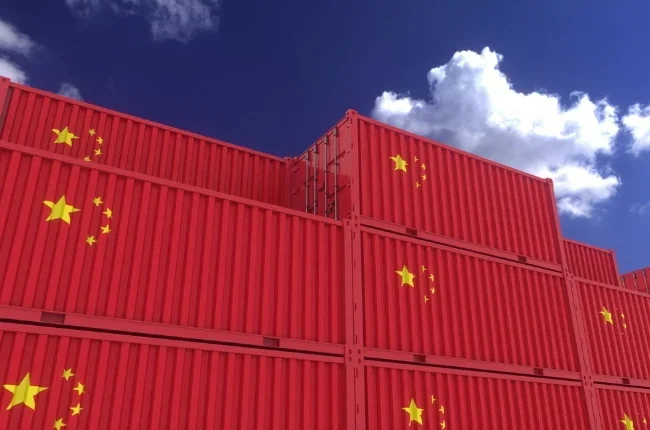
Importing Goods Importing from China has become an important part of global business. China is known as one of the world's largest manufacturers, offering a wide range of types of goods that can be imported. In this article, we'll discuss in detail how to import goods from China and the importance of expanding your market through imports.
How to Import Goods from China
1. Preparing for the Import Process
Before starting the import process, careful preparation is essential. First, we need to decide what type of goods to import. When choosing products, it's important to consider market demand and profit potential. Next, we need to create an import plan that covers the budget, timeline, and marketing strategy. The final step is to find a supplier or manufacturer in China that can provide goods to meet your business needs.
2. Handling Import Documents and Permits
When importing goods from China, import documents and permits play an important role. First, we need to identify the required documents, such as the commercial invoice, packing list, and shipping documents. Next, understanding the process for obtaining import permits is essential. Making sure all import documents are properly prepared will make the import process easier.
Read More: HOW TO OBTAIN AN IMPORT PERMIT IN INDONESIA – SMEsta (kemenkopukm.go.id)
3. Choosing a Shipping and Transportation Route
Choosing a shipping and transportation route is a strategic decision when importing goods from China. There are several shipping options to consider, including air and sea freight. Comparing the benefits and costs of each option is key to choosing the right route. It's also important to choose a reliable shipping service with experience transporting goods from China. Make sure goods are transported safely and reliably throughout the import process.
4. Customs and Duties
Indonesia's customs process and regulations must be followed when importing goods from China. Knowing and understanding the customs process is essential for ensuring a smooth import. In addition, complying with customs regulations, paying duties, and completing the required clearance process are integral parts of importing goods from China.
5. Risk Management and Insurance
Risks when importing goods from China cannot be entirely avoided. That's why identifying potential risks is the first step toward effective risk management. Next, developing an appropriate risk management strategy will help reduce the impact of potential risks. Choosing shipping insurance that meets your business needs will also provide additional protection against losses that may occur during the import process.
6. Negotiations and Order Fulfillment
Building a good relationship with suppliers in China is an important step in importing goods. During negotiations, price and purchase terms are key factors to consider. Effective negotiations will help ensure an agreement that benefits both parties. Once an agreement is reached, making sure the order is fulfilled as agreed is essential for a smooth import process.
7. Logistics and Goods Storage
Once the goods arrive at the port or airport, arranging logistics for receiving them becomes a priority. The receiving process should be well organized, including checks on the condition and quality of the goods. Properly storing the goods in a warehouse will ensure they remain safe and intact before being distributed to the market.
8. Shipment Tracking and Import Duty Processing
Tracking the status of shipments from China is an important step in monitoring the import process. Using available tracking technology and systems can help provide accurate information about the goods' location. Processing import duties in Indonesia is also an important part of importing goods from China. Ensuring smooth shipping and import duty processing will minimize the risk of delays and additional costs.
9. Evaluating and Improving the Import Process
After successfully importing goods from China, the next step is to evaluate the entire import process. Assessing the success of the import, including cost and time efficiency, is important for future improvements. Identifying areas that need improvement and creating a plan to address them will help streamline the import process and achieve better results in the future.
Conclusion: Importing Goods from China
Knowing how to import goods from China gives businesses a great opportunity to expand their markets and source high-quality products. In this article, we've covered the key steps in the process of importing goods from China.
From preparing the import process and handling documents and permits to choosing a shipping method, managing risks, and negotiating with suppliers. With a solid understanding of how to import goods from China, businesses can succeed in marketing products imported from China.