Purchase Orders: How to Optimize Logistics Distribution Flows
 Oaktree.id5 min read
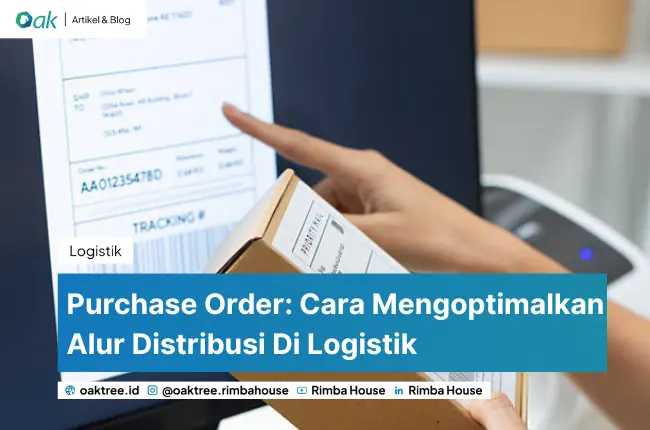
In the world of logistics and freight forwarding, smooth documentation is one of the factors that determines transaction success. Every shipping process requires a clear administrative basis so goods can be processed, shipped, and paid for without a hitch. One document that plays an important role in the early stages of a transaction is the Purchase Order (PO).
A purchase order serves as a formal agreement between a buyer and a supplier before goods are produced, shipped, or distributed. This document systematically records all order details, from the type and quantity of goods to prices and payment terms. A clear PO helps reduce the risk of miscommunication and keeps logistics processes on track.
What Is a Purchase Order?
A purchase order (PO) is an official document issued by a buyer to a supplier to request the purchase of goods or services. It contains the agreed-upon order details and serves as the supplier's primary reference for processing the request.
In logistics, purchase orders play a strategic role by connecting procurement, inventory management, and goods distribution. A purchase list helps ensure that shipments match the company's operational needs and distribution plans. This keeps every stage of the logistics process more controlled and measurable.
Functions of a Purchase Order
A purchase list is more than just a record of purchases; it serves several strategic purposes in the distribution chain, including:
- Preventing Misunderstandings
A purchase list helps reduce the risk of misunderstandings between buyers and suppliers. It clearly records the agreed-upon types of goods, quantities, specifications, and prices. This gives both parties a shared reference point, helping distribution run more smoothly without differing interpretations. - Increasing Transparency
In the distribution chain, transparency is key to ensuring every stage can be properly monitored. A Purchase Order streamlines shipment tracking, from ordering through receipt of goods. This makes it easier for logistics teams to ensure the process runs as planned without any information getting lost. - Supporting Financial Management
A Purchase Order also plays an important role in financial recordkeeping and management. This document serves as a reference for preparing purchase reports, managing cash flow, and reconciling payments. With a PO in place, companies can manage their budgets more effectively while keeping their administrative records in order. - Legally Binding Document
In addition to serving as a transaction record, a Purchase Order has legal force and can protect both parties. If a dispute or disagreement arises later, the PO can serve as valid evidence to support the buyer's or supplier's position. This means the document is not just administrative—it also provides legal certainty.
[irp posts=”1233″ ]
Components of a Purchase Order
A good purchase list should include detailed information to ensure it is valid and easy to process for distribution, including:
- Purchase Order Number
The PO number serves as a unique identifier for each purchase transaction. It allows companies to track orders easily and avoid the risk of duplicate records. A PO number also simplifies recordkeeping and auditing, keeping logistics administration better organized. - Buyer and Supplier Information
Buyer and supplier details must be provided in full, including company names, addresses, and official contact information. This ensures that shipments go to the right parties and makes communication easier if order confirmation or adjustments are needed. - Product or Service Details
This section provides a complete description of the products or services ordered. Details such as quantity, unit price, and total transaction value must be listed clearly so the supplier can process the order accurately. Clear details also help the buyer verify the order when the goods arrive. - Order Date and Delivery Schedule
Including the order date and estimated delivery time provides certainty for logistics planning. With a clear schedule, companies can manage warehouse capacity, distribution planning, and operational workflows more efficiently. - Payment Terms
Payment terms are an important part of a purchase order because they specify the payment method, schedule, and due date. Clear information helps maintain healthy business relationships and prevent potential disputes down the road. - Document Authorization
A purchase order must be approved by an authorized party before it can be processed. This authorization confirms that the order has gone through the company’s internal procedures and is ready to move on to procurement and distribution.
[irp posts=”1141″ ]
The Role of Purchase Orders in the Logistics Chain
In practice, a Purchase Order serves as a link between the planning process and logistics execution. A PO helps ensure that the goods ordered meet operational needs in terms of both quantity and delivery time. With proper planning through POs, companies can avoid excess inventory, shortages, and distribution delays.
In addition, a Purchase Order supports coordination between departments, from procurement and warehousing to finance. Everyone can refer to the same document, making workflows more aligned and efficient.
Conclusion
A Purchase Order is a fundamental document in logistics and freight forwarding. It serves as the basis for purchase agreements, a reference for distribution, and support for the company’s financial records. With structured and clearly managed Purchase Orders, companies can improve transparency, reduce the risk of errors, and maintain smooth flow of goods.
Amid the continued evolution of the logistics industry, a strong understanding of and effective management of Purchase Orders are key to creating efficient, competitive operations. With well-organized administrative systems, companies can build stronger business relationships and support sustainable long-term growth.