The Difference Between Direct and Indirect Distribution
 Oaktree.id2 min read
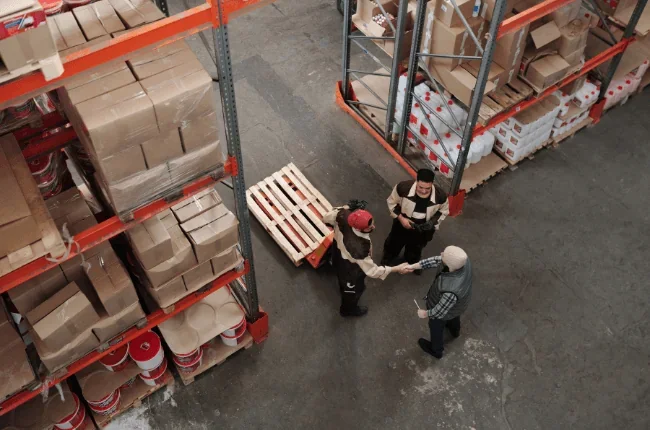
In business, the difference between direct and indirect distribution refers to how products or services are marketed and sold to customers. Direct distribution is when a manufacturer or service provider sells products directly to end consumers, while indirect distribution involves intermediaries, such as distributors or retailers, to market and sell the products.
Direct vs. Indirect Distribution: Which Is Better for Your Business?
Here are some differences between direct and indirect distribution:
- Stock Control
With direct distribution, manufacturers have full control over their inventory, including order quantities and timing, storage, and shipping. With indirect distribution, however, intermediaries such as distributors or retailers are responsible for ordering, storing, and shipping product inventory. This makes inventory management more difficult for manufacturers. - Cost
Direct distribution costs less than indirect distribution because manufacturers don’t have to pay profit margins to intermediaries. With indirect distribution, distribution and sales costs can be higher because intermediaries add their profit margins to the product’s selling price. - Customer Relations
With direct distribution, manufacturers have a direct relationship with end customers, allowing them to get feedback directly and improve their products to meet customer needs. With indirect distribution, however, the relationship between manufacturers and end customers is more difficult to maintain because there is an intermediary between them. - Brand Control
With direct distribution, manufacturers have full control over their brand and how it is positioned in the market. With indirect distribution, however, intermediaries can influence how the brand is positioned and promoted, which can affect customers’ perception of the brand. - Business Scale
Direct distribution tends to be better suited to small businesses that want to retain full control over their operations and build direct relationships with customers. Indirect distribution, however, is better suited to larger businesses that want to expand their reach and connect with more customers through intermediaries.
When choosing between direct and indirect distribution, manufacturers should consider their business needs, costs, brand control, and other factors related to their market. In some cases, combining direct and indirect distribution can be an effective strategy for expanding reach and maximizing profits.