The Role of Warehouse Operations Systems in Business

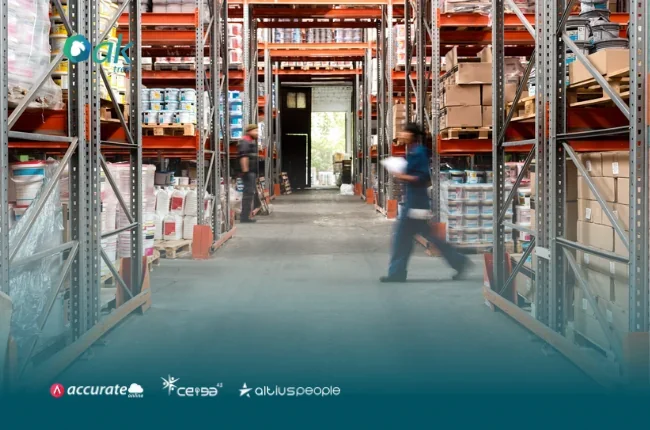
In the trading industry, inventory management is the biggest challenge, especially during periods of high transaction volumes. To support efficient inventory management, a warehouse operations system is essential.
This system can be used to manage supply chain workflows. As a result, businesses can achieve more accurate warehouse management.
What Is a Warehouse Operations System?
A warehouse operations system is a way to manage goods in a warehouse, making warehouse processes easier to carry out.
A warehouse operations system is often referred to as warehouse management. It covers all warehouse operations, from receiving and storing goods to picking and shipping them. As a result, warehouse operations become more efficient.
How Does a Warehouse Operations System Benefit the Trading Industry?
Implementing a warehouse operations system can make warehouse management more accurate and efficient. In addition, a warehouse operations system can benefit the trading industry in the following ways:
1. Make Warehouse Management More Accurate and Efficient
A warehouse operations system can help make management more accurate because all warehouse activities are managed automatically through the system.
2. Minimize Errors
In addition, because processes are automated, a warehouse operations system can minimize errors such as incorrect records, shipping mistakes, and inventory discrepancies.
3. Improve Customer Service
Customer satisfaction is a top priority, and a digital warehouse operations system can help improve customer service. In particular, the dashboard makes it faster and easier to find inventory in the warehouse.
4. Get Real-Time Data
A warehouse operations system can also give businesses access to real-time data. Trading businesses typically conduct physical inventory counts, and this system can make it easier to count and reconcile inventory.
5. Increase Transparency
A warehouse operations system is a way to manage goods in a warehouse, making warehouse processes easier to carry out.
A warehouse operations system is often referred to as warehouse management. It covers all warehouse operations, from receiving and storing goods to picking and shipping them. As a result, warehouse operations become more efficient.
[irp posts=”2296″ ]
How to Implement a Warehouse Operations System in the Trading Industry
Implementing a warehouse operations system is essential for more effective warehouse management. Here’s how to implement one in your business:
1. Analyze Your Needs
Before your business implements a digital warehouse operations system, first identify your needs. Do you need an integrated system or a simpler solution?
That way, you can choose a warehouse operations system that meets your business needs.
2. Choose a Warehouse Operating System
Once you understand your business needs, choose a warehouse operations system that can be customized to meet them. For example, if you need to integrate it with other systems, choose a warehouse operations system that offers easy integration.
3. Organize an Efficient Layout
To make warehouse management easier, you can do more than just use a warehouse operations system. You can also organize your warehouse layout according to specific categories or sales frequency.
4. Assign Codes to Goods
To make data entry in the warehouse operations system easier, you can assign a unique code to each item to simplify real-time stock tracking and management. You can also use codes such as barcodes or RFID tags to make recordkeeping more efficient.
5. Monitor and Evaluate
To ensure warehouse management aligns with your business goals, monitoring and evaluation can be used to analyze warehouse process performance. Monitoring can also help identify issues that need to be addressed.
[irp posts=”1871″ ]
Conclusion
A warehouse operations system can make warehouse activities more efficient and accurate. It can also provide real-time data, improve customer service, and increase transparency for both internal and external stakeholders.
The first step in implementing the system is to understand your business needs. An efficient warehouse layout, assigning unique codes to each item, and regular monitoring are also essential to ensuring the system runs optimally.