Understanding the Term Ocean Freight Rate in Logistics

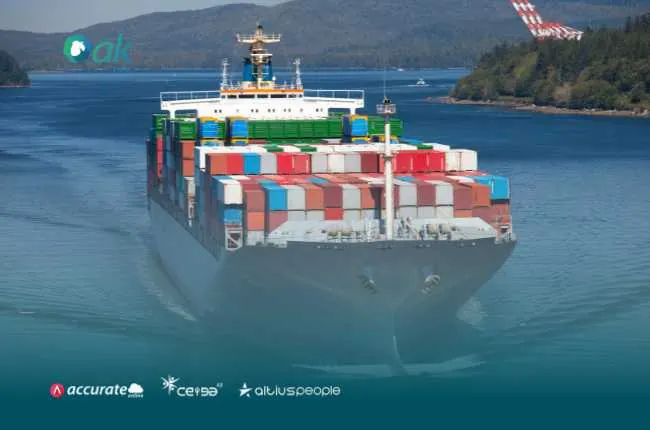
Understanding Export and Import Terminology is not easy. One term you’ll often come across is Ocean Freight Rate (OFR). This term is commonly used when goods are shipped by sea. To make things clearer, this article will explain ocean freight rates in more detail.
What Is an Ocean Freight Rate?
An Ocean Freight Rate is the shipping fee charged when a company sends goods by sea. This fee is calculated based on transportation costs and other additional charges, such as fuel costs, currency adjustments, and port handling fees.
Types of Ocean Freight Rates for Export and Import
When shipping goods by sea, the service can be customized to meet a company’s needs. Here are the different types of Ocean Freight Rates (OFR):
1. FCL (Fully Container Load)
As the name suggests, the cost for a full container load is calculated based on a full container. This means the shipping fee is charged regardless of whether the container is completely full.
This type of OFR is therefore ideal for shipping large quantities or oversized items, such as furniture, machinery, or certain products.
2. LCL (Less Container Load)
The next type of Ocean Freight Rate is LCL (Less Container Load). With this option, shipping fees are charged for goods sharing a container. This means there is a higher risk to their safety, especially when your goods are consolidated in the same container with shipments from other senders.
However, if you own a small or medium-sized business, this shipping option may be right for you, as the cost is calculated based on the volume of your goods.
3. Tanker Rate
If you’re shipping goods in liquid form, you can use the tanker rate. The containers used for this type of shipment are usually specially designed for liquid products such as oil, gasoline, and other chemicals.
4. Ro-Ro Rate (Roll-On/Roll-Off)
Another option is the Ro-Ro (roll-on/roll-off) rate, which is typically used to transport goods that can easily be driven or moved onto and off a ship. The rate is calculated based on the goods being loaded onto the ship.
This type of shipping is often used by ferries that carry motor vehicles between islands.
5. Reefer Rate
Every type of goods requires different handling. If a company needs its goods shipped under specific conditions, such as temperature control, the shipping company will charge an OFR at the reefer rate.
[irp posts=”195″ ]
Conclusion
An Ocean Freight Rate is the fee a company charges for shipping goods by sea. The rate for each type of shipment can be customized based on factors such as size, volume, type of goods, and type of vessel.
To make it easier to manage your export and import shipments, it’s essential to use a service software freight forwarder like Oaktree.id. Oaktree is designed to support the end-to-end logistics process, from planning and management to shipment tracking.
What’s more, this freight forwarding software can also integrate with Accurate Online.