Get to Know Single-Axle Trucks in Logistics Systems

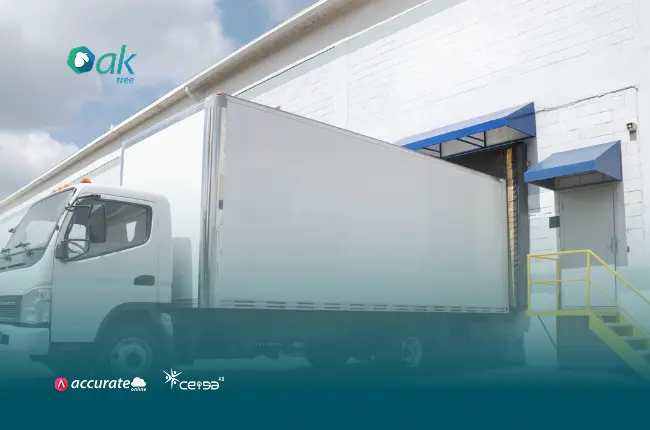
Road freight offers a variety of transportation options. One of them is the single-axle truck, known for its large payload capacity. Here’s more about single-axle trucks in the logistics industry.
What Is a Single-Axle Truck?
You're probably already familiar with the term Colt Diesel. It refers to a type of truck more commonly known as a single-axle truck. These trucks are typically used to transport moderate loads, whether for intercity distribution or day-to-day logistics.
That’s because these trucks have compact dimensions, making them easy to maneuver in fairly congested urban areas.
Types of Single-Axle Trucks
Single-axle trucks are often the top choice for road freight thanks to their flexibility and efficiency. Here are the different types:
1. Engle Box Truck
One type of single-axle truck is the box truck. This vehicle is ideal for transporting goods that need extra protection, such as electronics, perishable food, or important documents.
With its enclosed box body, this truck protects goods from bad weather, dust, and potential damage during transit, making it a good choice for deliveries that require extra security and care.
2. Engkel Flatbed Truck
Another type is the single-axle truck with an open bed. Although it has no cover, the open-bed single-axle truck is still widely used in the logistics industry.
That’s because it makes loading and unloading goods easier. It also has a higher payload capacity for large, heavy items. As a result, this truck is often used to transport goods such as construction materials, industrial goods, or heavy equipment that doesn’t require special protection from weather or dust.
3. CDD Truck (Double Axle)
CDD Truck (Double Axle) is a type of truck used to carry larger loads with greater stability. It has two rear axles, giving it a higher payload capacity than a standard single-axle truck.
As a result, this truck is often used to distribute goods between cities or transport heavy items that require greater capacity, such as building materials, industrial equipment, or oversized goods.
4. Long CDD Truck
Like other Colt Diesel models, the CDD Long truck also delivers reliable, efficient performance for hauling goods. It is longer than a standard CDD truck, providing greater capacity for goods that require more space.
With its durability and fuel efficiency, the CDD Long truck is well suited to transporting large shipments between cities, such as building materials, industrial equipment, or long items.
5. Conventional Single-Axle Truck
The conventional single-axle truck is one of the main types of trucks used in logistics and distribution. It makes it easy to transport medium-sized loads, whether for intercity distribution or deliveries within a city.
6. Reefer Single-Axle Truck (Refrigerated)
Next is the single-axle truck equipped with a cooling system, commonly known as a single-axle reefer truck. Its cargo box has a refrigeration system, allowing it to transport goods that need to be kept at a specific temperature, such as food, beverages, or pharmaceutical products.
With its refrigeration system, this truck maintains the quality and freshness of goods during transit, prevents damage or spoilage, and ensures products arrive at their destination in optimal condition.
7. Mini Single-Axle Truck
Another type is the smaller single-axle truck, commonly called a mini single-axle truck. It is designed to carry small loads or make deliveries in more confined areas, such as narrow city streets.
Although smaller in size, the mini single-axle truck still offers flexibility and efficiency for transporting medium-sized loads.
8. Medium Single-Axle Truck
This type of truck has a medium payload capacity—larger than a mini single-axle truck but smaller than a large single-axle truck. It’s ideal for transporting medium-sized loads over a wider service area.
9. Large Single-Axle Truck
This single-axle truck has the largest payload capacity among single-axle trucks. It is typically used to transport large, heavy loads and is well suited to intercity deliveries or transporting industrial raw materials.
[irp posts=”1649″ ]
Why Are Single-Axle Trucks Chosen for Urban Logistics?
After learning about the types of single-axle trucks commonly used for deliveries, you might be wondering why they’re used in urban logistics. Here are 5 reasons:
1. Easy to Maneuver on Narrow Roads
Single-axle trucks are smaller than large trucks, allowing them to maneuver easily on narrow roads, in alleys, or in densely populated urban areas.
2. Operational Cost Efficiency
With enough capacity for medium-sized loads, single-axle trucks use less fuel and cost less to operate, making them a great choice for more affordable deliveries within the city.
3. Delivery Flexibility
Single-axle trucks can handle many types of cargo, from light to heavy goods and in various sizes, making them highly flexible for different urban logistics needs.
4. Able to Access Remote Areas
In many cities, some areas or roads are difficult for large trucks to reach. Smaller single-axle trucks can access these locations, ensuring goods arrive on time.
5. Speeds Up the Distribution Process
Because they can move more quickly through congested city streets, single-axle trucks can help speed up the distribution of goods within the city—an important factor in meeting consumer needs quickly and efficiently.
[irp posts=”1596″ ]
Oaktree.id: Optimize Freight Forwarding Software Management
A single-axle truck is a mode of land transport used for logistics and distribution. Each type of single-axle truck has different functions and dimensions, in Customization Services based on cargo transportation needs.
With so many options available, choosing the right type of single-axle truck can sometimes be a challenge. That's why Oaktree, a freight forwarding software, makes it easier to choose the right truck and manage shipments.
This software can provide logistics and distribution solutions tailored to your shipping needs, from selecting the right mode of transportation to managing routes and delivery times.
Still want to deal with the hassle of managing shipments? Try Oaktree today and manage shipments with ease.