Kratom Export Challenges: Two Suspects Detained by Semarang District Prosecutor’s Office After Failing to Ship 5 Containers to India

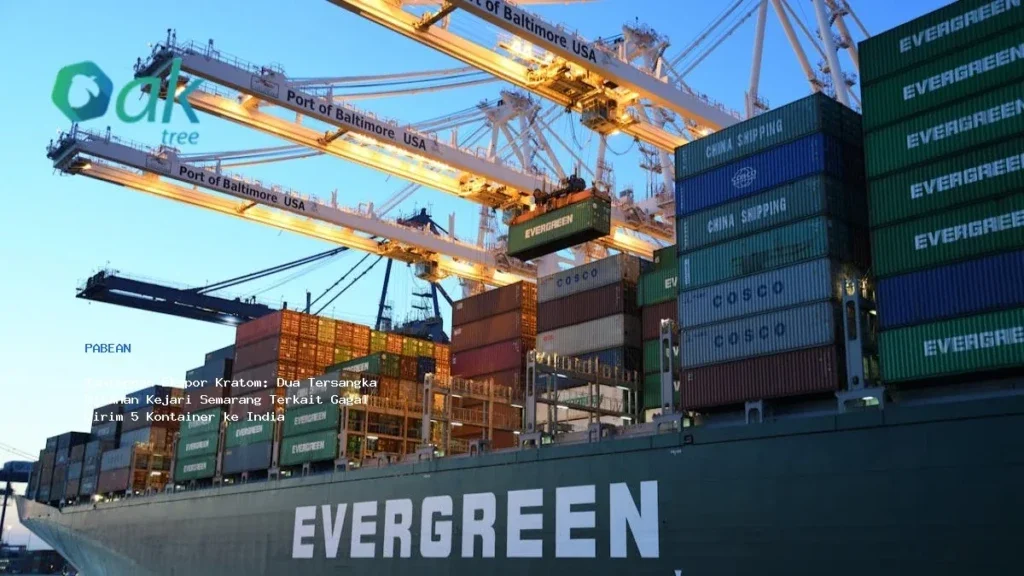
Oaktree.id – Oaktree community, the logistics and customs sector is once again facing a critical case that highlights the complexities of commodity exports. The Semarang District Prosecutor’s Office recently detained two suspects in connection with an alleged failed export of five containers of kratom bound for India.
This case is an important reminder to distribution, freight forwarding, EMKL, and EMKU businesses across Indonesia of the importance of complying with regulations and exercising due care at every stage of the export process.
Implications of the Case for the Logistics Industry
The arrests point to potential issues in the kratom export supply chain, which could involve everything from permits and customs documents to the export goods’ eligibility. For businesses involved in shipping goods, cases like this can raise concerns:
- Shipment Delays and Cancellations: A failed export can lead to shipment delays or even cancellations, which can affect operating costs and a logistics company’s reputation.
- Increased Oversight: Similar cases can prompt increased scrutiny from customs authorities and other relevant agencies, which may tighten export procedures and requirements.
- Legal Risks: Involvement in problematic transactions can expose logistics companies to legal risks, especially if they have not conducted adequate due diligence on their business partners.
The Importance of Compliance and Caution
Therefore, Oaktree community, it’s important for all businesses to ensure ongoing compliance with applicable export regulations. This includes:
- Document Verification: Ensuring that all required documents are complete and valid, both on the exporter’s side and in accordance with the destination country’s requirements.
- Understanding Commodity Regulations: Developing a thorough understanding of export regulations for specific commodities such as kratom, including any potential bans or restrictions.
- Business Partner Due Diligence: Conducting due diligence on exporters and related parties to minimize the risk of involvement in illegal or problematic activities.
- Strong Coordination: Maintaining close coordination with Customs, relevant ministries, and other customs service providers.
This failed kratom export case is a valuable lesson for Indonesia’s logistics and export industries. By increasing awareness of regulations and adopting responsible business practices, export supply chains can run more smoothly and avoid legal issues in the future.
🚀 Optimize Your Logistics & Freight Forwarding System!
Manage EMKL, EMKU, distribution, and warehouse operations more easily, quickly, and seamlessly with Oaktree.id’s Logistics ERP software.