Freight Forwarding and Logistics: Meaning, Differences, and Service Types

Oaktree Blog – Many people assume shipping and logistics mean the same thing because the terms are often used in the context of delivering goods. However, they have different roles and functions, especially in Indonesia’s rapidly growing industry amid the e-commerce boom.
So, what exactly is the difference between shipping and logistics? Here’s a complete explanation.
What Are Shipping and Logistics?
Although the terms shipping and logistics are often used together, they have different meanings.
Shipping
In general, an expedition refers to a journey to a specific location. In the context of shipping goods, however, it refers to a service that delivers small to medium-sized shipments to various destinations. These services are usually faster because they offer same-day delivery, making them popular with customers.
Logistics
Logistics is broader than simply shipping goods. The term covers the management, storage, and distribution of goods, as well as transportation management and warehousing. Logistics services provide end-to-end supply chain solutions, from procurement to distribution.
The Difference Between Shipping and Logistics
Although they may seem similar, there are several differences between the two:
Service Focus
Shipping services: Their main focus is delivering goods from individuals or businesses to various destinations. These services are typically used for small to medium-sized shipments.
Logistics: Logistics focuses more on the needs of large businesses. In addition to shipping, logistics also includes warehouse management, fleet provision, and logistics consulting services.
Shipping Locations
Shipping services: Shipments typically cover multiple addresses in a single day, following routes determined by the shipping company.
Logistics: Logistics providers usually ship large quantities of goods to a single distribution location, based on consumer distribution maps.
Cargo Volume
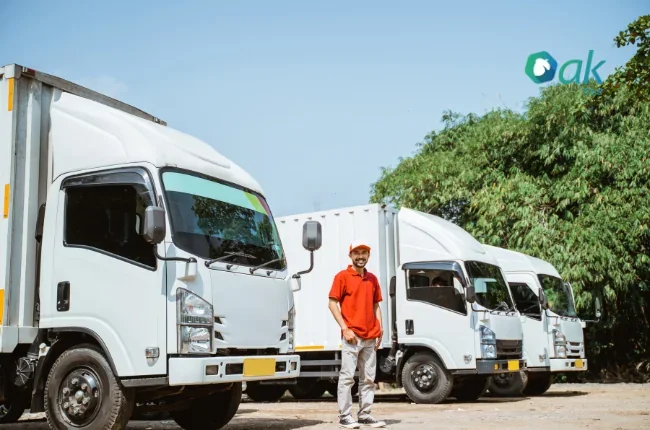
Shipping services: Shipping capacity is generally limited, using two- or four-wheeled vehicles such as motorcycles or vans.
Logistics: Logistics shipments involve large loads, ranging from 10 to 50 tons, transported by large trucks, ships, or even aircraft.
Types of Services
Shipping services: These offer only goods delivery, without warehouse management or more complex transportation services.
Logistics: In addition to shipping, logistics provides goods storage, fleet provision, and even logistics management consulting services.
Target Customers
Shipping services: Customers are typically individuals or small businesses operating under a Business to Consumer (B2C) model.
Logistics: Logistics services cater to large businesses using a Business-to-Business (B2B) model.
Types of Shipping and Logistics Services
There are three main shipping routes used by both shipping and logistics providers:
- Sea Freight
Shipping goods by sea is generally cheaper and can reach a wider range of locations. However, delivery may take longer depending on weather conditions and sea routes. - Ground Shipping
Land transport is popular because it is easier to manage and offers security in terms of packaging and tracking. However, its reach is limited to destinations between provinces on the same island, and deliveries can take longer if trucks are waiting for a full load. - Air Freight
Shipping goods by air offers the advantage of speed. However, air freight costs are much higher, and cargo capacity is limited.
Shipping and logistics play an important role in Indonesia’s supply chain, especially amid the growth of e-commerce.
Understanding the difference between the two is important so you can choose the right service for your needs, whether that’s fast delivery for small shipments or a more comprehensive logistics solution.
If you're looking for reliable logistics software for freight forwarding, EMKL, EMKU, and distribution in Indonesia, Oaktree.id offers freight forwarding and logistics services backed by experience and exceptional quality.
In addition, to optimize fleet management for freight forwarding and logistics, companies can consider using Fleet Management System. This tool makes it easier for companies to manage their fleets and ensure everything runs on schedule and in optimal condition, supporting the efficiency and sustainability of logistics operations.