Carriage Paid To: Meaning and Benefits
 Oaktree.id3 min read
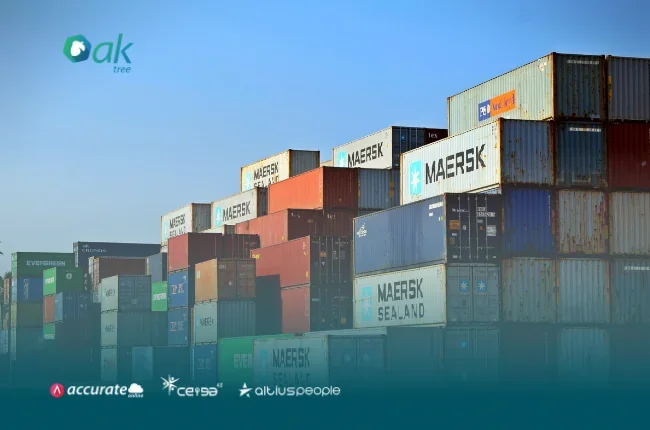
The shipment of goods, especially for exports and imports, is subject to rules and standards set out in Incoterms (International Commercial Terms). One of these standards is Carriage Paid To. Here’s a more detailed explanation of Carriage Paid To (CPT), including its definition and benefits.
What Is Carriage Paid To?
Carriage Paid To (CPT) is a contract used in international trade under which the seller is responsible for arranging and paying the costs of shipping goods from the seller’s location to the buyer’s agreed destination.
However, it’s important to understand that carriage paid to is very similar to CFR (Cost and Freight). This is because, even though the seller has paid the transportation costs, the risk of loss or damage remains once the goods have been handed over to the carrier or arrive at their destination.
Benefits of Using Carriage Paid To for Shipping?
By using Incoterms rules, specifically CPT (Carriage Paid To), both parties benefit from the shipping process. The contract also clearly sets out the responsibilities of both the seller and the buyer. Here are the benefits:
1. Benefits for Sellers
a. Easier Sales
Since the seller is responsible for the costs and choice of transport mode used to ship the goods to the destination, they can sell their products more easily without having to worry about which logistics provider to use for shipping.
b. More Efficient Shipping
With CPT shipping, the seller can guarantee fast delivery. The seller arranges the shipment through a trusted provider familiar with the shipping procedures.
This makes it easier for the seller to explain how many days it will take for the shipment to reach its destination, as well as inform the buyer about any risks that may arise during shipping.
c. Transparent Shipping Costs
In addition, using Carriage Paid To makes shipping costs more transparent. Both parties can see the actual shipping cost and proceed with the transaction.
2. Benefits for Buyers
a. Easier Transactions
As explained above, the seller covers all shipping costs. This means buyers don’t have to worry about shipping logistics and can simply wait for the goods to arrive at their destination.
b. Efficient Shipping
Since the seller arranges the shipment, buyers can feel confident that their goods will arrive safely and on time. Sellers also typically have experience working with trusted shipping companies.
c. Minimizing Risk
Risks can arise at any time, especially during shipping. Since CPT (Carriage Paid To) is governed by international trade rules (ICC), however, the risk of misunderstandings or even disputes can be reduced.
[irp posts=”2403″ ]
Conclusion
CPT, or Carriage Paid To, is an Incoterms rule stating that the seller is responsible for the shipping costs until the goods reach the agreed destination. However, it’s important to note that once the goods have been loaded onto the vessel, the buyer is responsible for the risk of loss or damage.
To help manage logistics for export and import shipments, you can use freight forwarder software. This software is designed to optimize the entire logistics process.
One freight forwarding software option is Oaktree.id. This software offers end-to-end services, from planning and management to tracking goods through delivery. In addition, Oaktree.id can be integrated with the Accurate Online system, making accounting easier.