Logistics Side Hustles: A New Way to Make Money from the Supply Chain

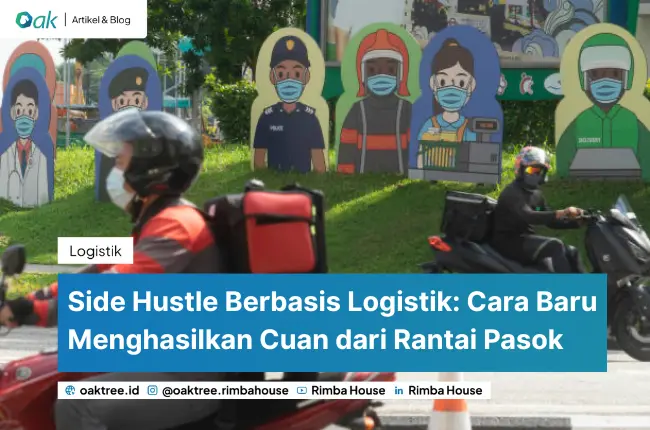
With e-commerce booming and demand for fast distribution on the rise, logistics is no longer just the backbone of big businesses. Supply chains are opening up new opportunities for individuals to earn extra income through various logistics-based side hustles. From packing services and inventory management to last-mile delivery, these money-making opportunities are emerging alongside changing consumer habits and the digitalization of small businesses.
Unlike conventional side hustles, logistics businesses offer tangible value because they’re directly connected to business operations. With relatively flexible startup costs and support from technology, anyone—including employees, remote workers, and small business owners—can play a role in the supply chain ecosystem without building major infrastructure.
This article explores how logistics-based side hustles are growing, which opportunities are most relevant today, and how to pursue them efficiently and sustainably. In an era when fast, reliable distribution is key, logistics is no longer just a cost—it’s a new way to make money.
[irp posts=”3167″ ]
What Is a Side Hustle?
A side hustle is a job or business you take on outside your main job to earn extra income. Unlike full-time work, side hustles are generally flexible in terms of time, scale, and commitment, so they can fit into your daily routine.
Today, side hustles are no longer synonymous with informal or purely manual work. Many modern side hustles rely on skills, systems, and technology, from digital services and consulting to business operations support. In other words, the value isn’t just about “working longer”—it’s about making the most of untapped opportunities.
For many people, a side hustle is also a way to explore new possibilities, from testing a business idea and expanding their professional network to building a more sustainable source of income. With the right systems in place, a side hustle can even grow into a primary business, not just a source of extra income.
[irp posts=”3259″ ]
Why Is Logistics a Good Fit for a Side Hustle?
Logistics is one of the most promising sectors for a side hustle because demand is consistent across industries. Every buying and selling transaction—especially in the e-commerce era—requires storage, packing, and shipping. That means logistics opportunities aren’t tied to fleeting trends; they’re rooted in the ongoing needs of the supply chain.
What’s more, many logistics activities don’t require a large-scale operation. Some roles, such as basic inventory management, packing services, or shipping coordination, can be handled with limited capital and space. This makes logistics more accessible to people looking to start a side hustle without investing in major infrastructure.
Technology is another reason logistics works well as a side hustle. A range of tools for inventory management, shipment tracking, and partner communications can make workflows more efficient and measurable. With the right systems, side hustlers can manage logistics operations flexibly, even alongside their main job, without compromising service quality.
[irp posts=”3289″ ]
Realistic Types of Logistics-Based Side Hustles
Logistics-based side hustles come in many forms, and plenty are realistic for individuals or small-scale operators. One of the most common is offering basic packing and fulfillment services to small businesses or online sellers. Side hustlers pack orders, manage limited inventory, and make sure items are ready to ship on time—all without needing a large warehouse.
Another popular option is dropshipping with locally stocked inventory. Unlike conventional dropshipping, this model prioritizes fast delivery because products are stored closer to customers. Logistics becomes the key selling point, especially for products that need quick delivery or special handling.
There are also opportunities to partner in last-mile delivery or coordinate shipments. You don’t always have to be a courier: side hustlers can plan routes, schedule deliveries, or connect sellers with shipping carriers. These models show that logistics side hustles aren’t always about physical labor—they’re also about managing processes and building reliable systems.
[irp posts=”3263″ ]
The Role of Technology in Logistics Side Hustles
Technology is a key factor in making logistics-based side hustles easier to run, even for individuals with limited resources. With inventory management software, side hustlers can monitor stock in real time, avoid running out of or overstocking items, and maintain accurate records without complicated manual processes.
In addition, shipment tracking systems and integrations with shipping providers help increase transparency and customer trust. Clear delivery statuses, automatic notifications, and shipment history records allow side hustlers to provide a service on par with professional logistics businesses, even when operating on a small scale.
Technology also helps automate workflows, from recording orders and scheduling deliveries to generating operational reports. With more structured and measurable processes, logistics side hustles become not only more efficient but also easier to grow. At this point, technology is more than just a tool—it is the foundation for running a sustainable logistics side hustle that is ready to scale.
[irp posts=”3269″ ]
Small Investment vs. Strong Skills: Which Matters More?
In a logistics-based side hustle, the amount of capital you have is not always the main factor in determining success. Many logistics opportunities rely more on understanding workflows, being detail-oriented, and managing processes than on physical investments like a large warehouse or your own fleet. With limited space and simple equipment, anyone can start taking on a role in the supply chain.
Skills like time management, coordination, communication with partners, and using technology are often far more critical than startup capital. A small error in stock records or delivery schedules can have a major impact on customer satisfaction. That’s why logistics side hustlers who can organize their workflows are usually trusted and recommended more quickly.
Capital still matters, but as a supporting element rather than the foundation. Once your skills and systems are in place, additional capital becomes a way to expand capacity and improve efficiency. In other words, in this line of work, strong skills and well-organized systems often outperform substantial capital without clear management.
[irp posts=”3153″ ]
Logistics Side Hustles for Employees and Remote Workers
Logistics-based side hustles are a great fit for employees and work-from-home (WFH) workers because many of the tasks can be handled flexibly and through systems. Roles like managing orders, recording inventory, coordinating with shipping providers, and communicating with sellers or customers don’t always require a full-time physical presence on-site.
With the right time management, employees can run a logistics side hustle outside their regular work hours without hurting their productivity. Tools like operational dashboards, automatic notifications, and real-time reports keep processes moving, even when managed part-time. This makes a logistics side hustle easier to manage than a side business that relies entirely on manual labor.
For WFH workers, this type of work can also create opportunities to make the most of the time and workspace they have available. With well-organized systems and clear workflows, logistics activities can run alongside a primary job. This approach makes a side hustle not only an additional source of income but also valuable hands-on experience in understanding the supply chain.
[irp posts=”3232″ ]
Collaboration Opportunities with MSMEs and Online Sellers
Logistics-based side hustles have great potential to grow through partnerships with MSMEs and online sellers, who often have limited operational resources. Many business owners focus on sales and marketing but struggle to manage inventory, packing, and shipping consistently. That’s where logistics side hustlers can provide a much-needed solution.
These collaborations don’t have to start with a major contract or a long-term partnership. Side hustlers can begin with specific services, such as helping pack orders during busy periods, arranging daily shipments, or coordinating with shipping providers. This approach keeps the partnership flexible and minimizes risk for both parties.
Over time, as trust grows, the collaboration can develop into a more strategic operational partnership. The side hustler becomes more than just a service provider—they become part of the MSME’s supply chain. This model creates a win-win relationship: MSMEs get more organized operations, while side hustlers gain stable income and opportunities to grow their business.
[irp posts=”3146″ ]
Risks & Challenges of a Logistics Side Hustle
Despite its promise, a logistics-based side hustle still comes with risks and challenges you should understand from the start. Common issues include shipping delays, inventory errors, and items getting damaged during distribution. Even small logistics problems can directly affect customer satisfaction and reputation, even when the business is just a side hustle.
Another challenge is managing your time and maintaining consistent service. Since logistics side hustles are run outside a primary job, side hustlers need to stay committed to their operations to keep service quality steady. Without a clear workflow, the risk of getting overwhelmed and miscommunicating with partners or customers increases.
There are also challenges related to trust and accountability. Handling someone else’s goods means taking on financial and reputational risks if something goes wrong. That’s why this work requires clear operating standards, documentation, and communication. With good risk management, these challenges can be controlled—and can even set you apart as a professional in a competitive market.
[irp posts=”1865″ ]
🚀 A Serious Logistics Side Hustle Needs Real Freight and Operations Systems
If your logistics side hustle starts involving shipping, coordination with shipping providers, or partnerships with MSMEs and business clients, manual management won’t be enough. Scattered delivery jobs, shipment statuses that are hard to track, and disorganized operational reports will all hold back your growth.
Oaktree helps logistics side hustlers manage freight and distribution operations more professionally. With job management, shipment tracking, and centralized reporting, Oaktree keeps logistics processes organized, transparent, and easy to control—even when you’re still running the business as a side hustle.
With cloud-based systems and process automation, Oaktree helps reduce manual work, minimize errors, and lay the foundation for your business from day one. A logistics side hustle looking to level up can’t rely on manpower alone—it also needs systems that are ready to grow with the business.
[irp posts=”3051″ ]
Conclusion
Logistics-based side hustles show that the supply chain is no longer the exclusive domain of large companies. The growth of e-commerce, increasing demand for faster distribution, and the digitalization of MSMEs are creating opportunities for individuals to take on flexible, gradual roles in logistics. With the right approach, logistics can become a relevant, sustainable source of additional income that delivers real value to the business ecosystem.
But that potential can only be fully realized if logistics is managed as a serious operational activity. Challenges like inventory accuracy, consistent service, time management, and partner trust all call for clear workflows. This is where choosing a niche, building your skills, and using technology become deciding factors—not simply how much startup capital you have.
Ultimately, a logistics side hustle isn’t about working harder—it’s about working in a more structured way. With the support of the right system, such as Oaktree software, a side hustle can grow from a part-time activity into the foundation of a professional, scalable logistics business. For those who can manage processes, data, and collaboration effectively, the supply chain is no longer just an operating cost—it’s an opportunity for long-term profit.