

Green Freight Transport: An Eco-Friendly Transportation Solution

Freight transportation has become the backbone of the global economy in this advanced era, but unfortunately, it has also had a negative impact on the environment.
Rising greenhouse gas emissions and air pollution from conventional freight transportation have driven the need to adopt eco-friendly solutions, such as green freight transport.
Environmental issues are a major concern for Indonesia, especially now that civil servants are working from home, or WFH.
But in fact, the biggest environmental issue is the development of power plants that use coal as their primary energy source.
In this article, we won’t go into more detail about coal-fired power plants, but will take a closer look at what green freight is and its role in addressing environmental problems.
What Is Green Freight Transport?
Green freight transport refers to efforts to reduce the environmental impact of freight transportation by adopting sustainable technologies and practices.
The main goal of this concept is to reduce greenhouse gas emissions, air pollution, and other environmental impacts while still meeting logistical and economic needs.
Technology and Innovation
One of the main pillars of this technology is the adoption of advanced technologies. Using eco-friendly vehicles, such as electric or hybrid trucks, is a clear example of this effort.
These vehicles can reduce exhaust emissions and noise levels, as well as save fuel. In addition, sensors and telematics systems are used to optimize routes, reducing travel time and fuel consumption.
Adopting Renewable Energy
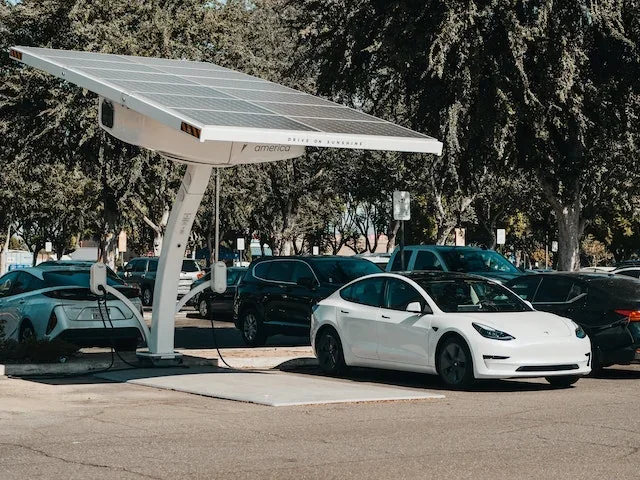
The use of renewable energy, such as solar or wind power, in logistics operations is also an important component of green freight transport. Electric vehicle charging stations powered by renewable energy sources can reduce dependence on fossil fuels.
Read Also: What Is Backflushing: Concepts & Benefits in the Manufacturing Process
Route Optimization and Shipment Consolidation
Optimizing delivery routes and consolidating shipments are other ways to reduce environmental impact.
By planning more efficient routes and combining shipments from multiple shippers to the same destination, the number of trips required can be reduced, lowering emissions and operating costs.
Collaboration and Regulations
The involvement of various stakeholders, including governments, logistics companies, and vehicle manufacturers, is essential to promoting the adoption of green freight transport.
Regulations that support the use of eco-friendly technologies and provide incentives for companies to adopt them can help accelerate the shift toward more sustainable transportation solutions.
Benefits of Green Freight Transport
This technology offers significant benefits. In addition to reducing environmental impact, it can also lower long-term operating costs.
Reduced fuel and vehicle maintenance costs can have a positive impact on the efficiency and profitability of logistics companies.
Read Also: The Technology Revolution in Oaktree.id Freight Forwarding Services
Conclusion
Green freight transport is an important milestone in the effort to create a more sustainable future.
Through the adoption of advanced technologies, the use of renewable energy, route optimization, and cross-sector collaboration, freight transportation can become more eco-friendly without compromising logistics efficiency.
With everyone’s support, the vision of green freight transportation can become a reality that benefits our planet and future generations.