Criss Cross Meaning in Logistics Shipping

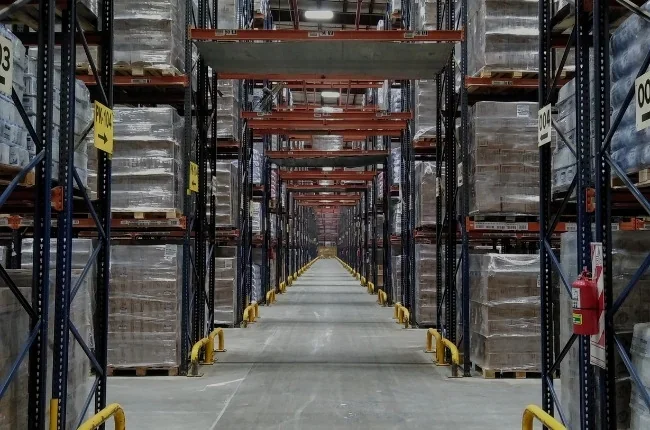
In the world of logistics and transportation, the term “Criss Cross” is often used to describe an important concept in the storage, shipping, and distribution of goods.
In this article, we’ll explain in detail what Criss Cross means in the context of logistics and why understanding its meaning and implications is so important.
Understanding Criss Cross in Logistics
In logistics, Criss Cross refers to a strategy for arranging goods that involves stacking or combining materials or products in a crisscross pattern. In practice, this means stacking or arranging goods in a way that maximizes storage space and makes them easier to access efficiently.
By adopting the Criss Cross approach, logistics companies can optimize the use of space and minimize disruptions during the picking process.
The Role of Criss Cross in Delivery Route Optimization
Criss Cross plays an important role in optimizing delivery routes. By using this strategy, logistics companies can reduce travel distances and delivery times while making better use of delivery vehicles. For example, by arranging goods in a crisscross pattern inside a truck or container, companies can use available space efficiently, avoid shipping partially loaded vehicles, and reduce logistics costs.
One example of Criss Cross in logistics is arranging goods in a warehouse in an efficient crisscross pattern. By arranging products this way, companies can reduce the time needed to pick items, improve operational efficiency, and lower long-term storage costs.
How Criss Cross Affects Storage Efficiency and Inventory Management
Applying Criss Cross to storage and inventory management can significantly improve the operational efficiency of logistics companies. The Criss Cross strategy helps companies make the most of their storage space by arranging goods efficiently. By arranging goods in a crisscross pattern, companies can reduce wasted space and maximize warehouse capacity.
Applying Criss Cross can also help reduce storage costs and improve stock availability. By optimizing the use of storage space, companies can prevent stock shortages and reduce the risk of products being damaged or expiring. This improves operational efficiency and increases customer satisfaction.
The Benefits of Global Logistics with CrissCross
Applying Criss Cross in global logistics can offer companies a range of benefits, including optimizing international shipping routes and reducing logistics costs. By using the Criss Cross strategy to arrange and consolidate goods, companies can avoid shipping empty or partially loaded vehicles, improve delivery efficiency, and reduce transportation costs.
Some global logistics companies have successfully adopted Criss Cross in their operations. For example, they use advanced technologies and goods-handling systems to maximize storage and shipping efficiency. This has helped them optimize their operations, reduce logistics costs, and improve customer satisfaction.
Challenges and Strategies for Implementing CrissCross in Logistics
Implementing Criss Cross in logistics comes with challenges. These may include complex planning, complicated arrangements, and adapting to diverse customer needs. However, with the right strategies and steps, these challenges can be overcome.
Strategies and steps for implementing Criss Cross include:
- Implementing an efficient inventory management system to accurately track and organize goods.
- Using the latest technology and logistics systems to support Criss Cross organization and management.
- Involving a trained team with a solid understanding of the Criss Cross strategy in logistics operations.
- Conducting regular evaluations and monitoring to ensure the effectiveness of the Criss Cross strategy being used.
Conclusion
A clear understanding of what Criss Cross means and its implications for logistics is essential to optimizing company operations. By implementing the Criss Cross strategy, companies can maximize storage space, reduce logistics costs, and improve delivery efficiency. Criss Cross can also bring benefits to global logistics, including optimized international shipping routes and lower transportation costs.
However, implementing Criss Cross in logistics also presents challenges that need to be addressed. Complex planning, complicated arrangements, and adapting to customer needs can all pose obstacles. The right strategies and steps—such as using an efficient inventory management system and the latest logistics technology, and involving a trained team—can help ensure successful implementation of Criss Cross.